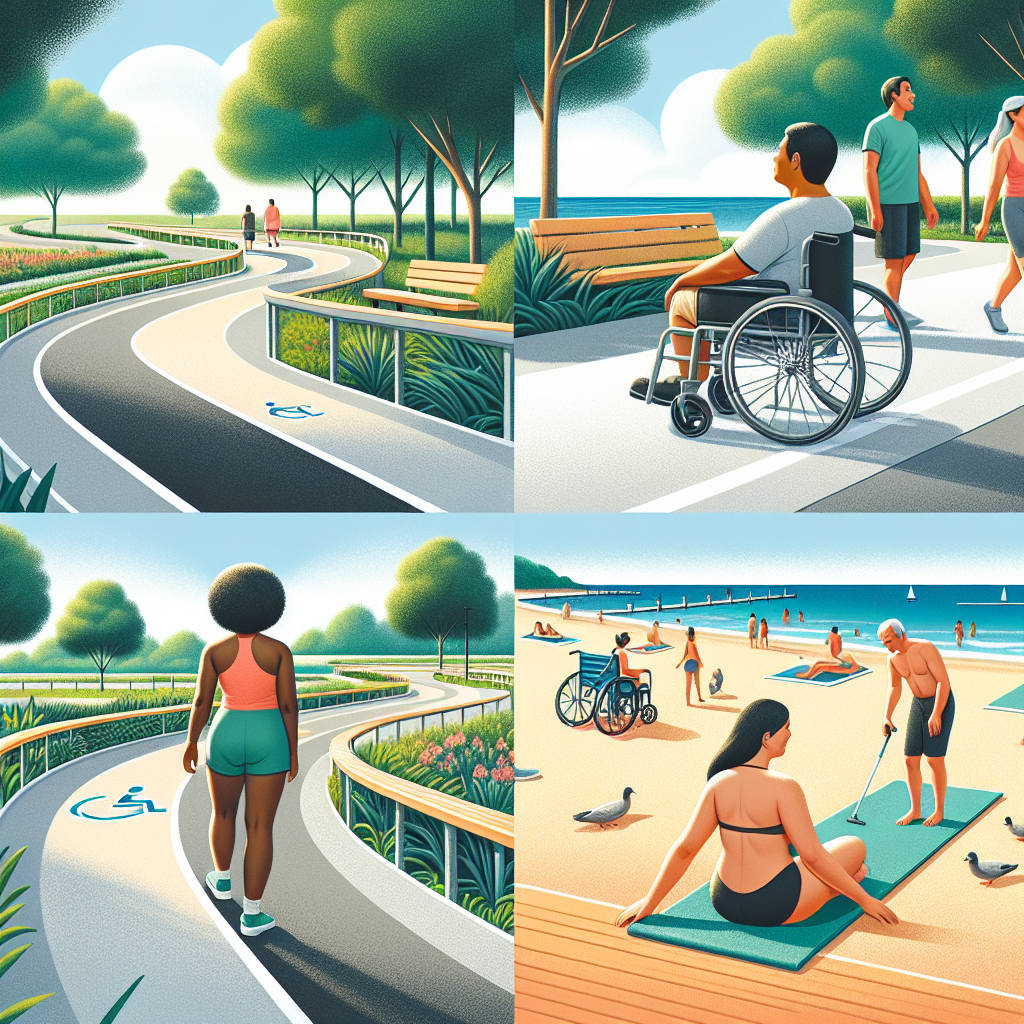
The Americans with Disabilities Act (ADA) has significantly influenced the landscape of accessibility in countless spheres of daily life. One area that has seen substantial improvements thanks to the ADA is outdoor recreation. Originally signed into law in 1990, the ADA ensures that individuals with disabilities have the same rights and access opportunities as everyone else. This includes facilities and amenities in parks, on trails, and at beaches across the United States.
Outdoor recreation is vital for physical health, mental well-being, and social interaction. Hence, it’s crucial that these recreational spaces are accessible to all individuals, regardless of their physical capabilities. The ADA defines a framework that obligates outdoor recreation providers to implement accessible design and the inclusion of necessary features that facilitate easier access. As a result, a growing number of parks, trails, and beaches have been retrofitted or constructed to meet these stringent requirements.
The ADA’s guidelines are not just legal obligations; they represent a commitment to inclusivity and equal opportunity. This article will delve into ADA compliance specifically as it pertains to outdoor recreation sites – focusing on the standards and requirements for parks, trails, and beaches. Additionally, we’ll explore common challenges and solutions in creating these accessible environments.
The ADA Standards for Accessible Design
The ADA Standards for Accessible Design outline the scoping and technical requirements for accessibility to buildings and facilities by individuals with disabilities. These standards cover a wide range of elements, including parking, walking surfaces, bathrooms, and signage. For outdoor recreation, these standards have been expanded to address the unique needs of parks, trails, and beaches.
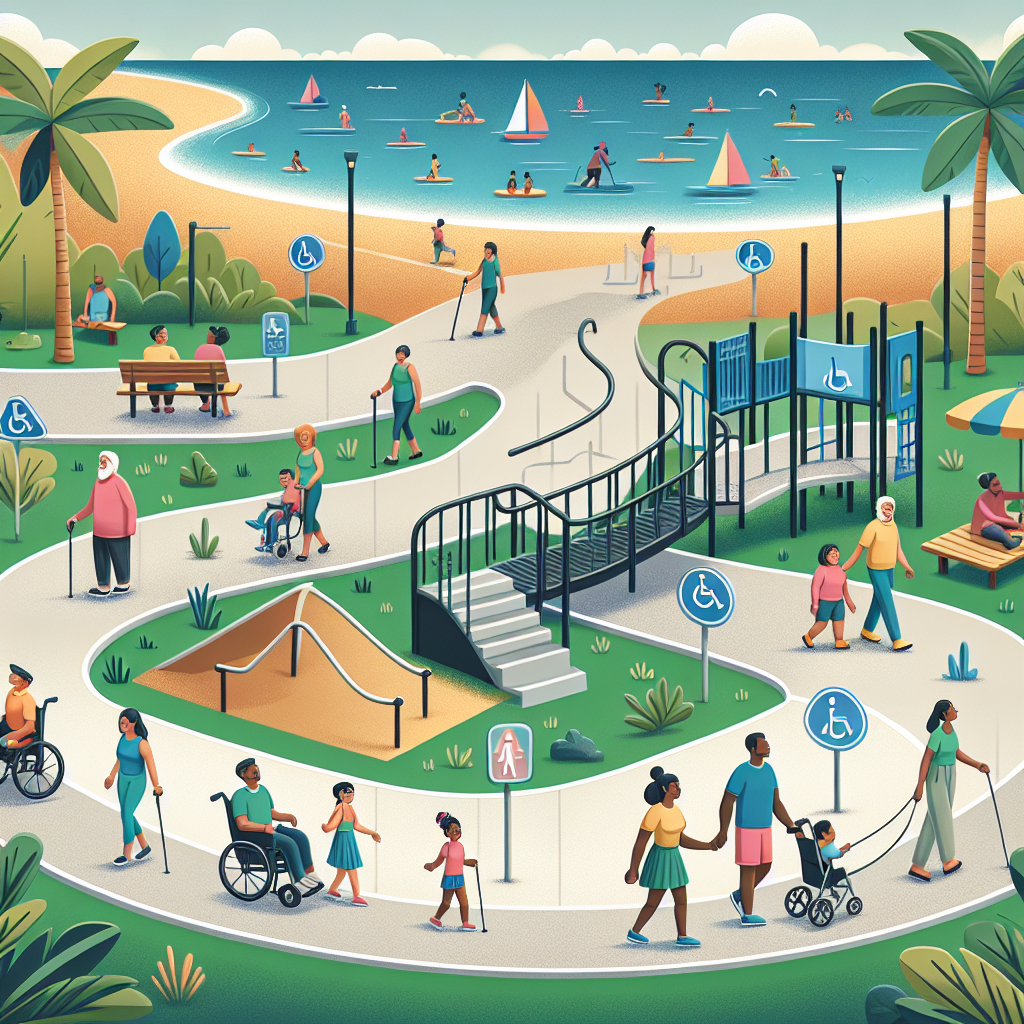
Parks, for instance, must provide accessible routes from parking areas to facilities such as playgrounds, picnic areas, restrooms, and activity centers. These routes must have a firm, stable surface, with gentle slopes and cross-slopes to accommodate wheelchairs, walkers, and other mobility devices. Additionally, key features like picnic tables, benches, and drinking fountains must be accessible and strategically placed along these routes.
Trails present a different set of challenges. In 2013, the U.S. Access Board issued the final rule for the Architectural Barriers Act, aimed at setting accessibility guidelines for outdoor areas managed by federal agencies, including trails. These guidelines address trail surfaces, width, slopes, and obstacles, ensuring that a portion of trails within a park or nature preserve are accessible to individuals with disabilities.
Beaches also have specific requirements. They must provide accessible routes from parking lots or pathways to the water’s edge. Beach wheelchairs, which have large, balloon-like tires for traversing sand, are often made available to visitors. Additionally, amenities such as accessible showers, changing rooms, and restrooms are essential components of an ADA-compliant beach.
Practical Implementation in Parks
Implementing ADA compliance in parks requires a detailed understanding of the specific needs of individuals with disabilities and the practical application of ADA Standards. Park administrators must conduct thorough assessments of existing facilities to identify areas of non-compliance and plan for necessary modifications. This often means retrofitting pathways, adding accessible amenities, and ensuring that programs and activities are inclusive.
A key aspect of making parks accessible is ensuring that parking areas and entry points are designed with accessibility in mind. This includes providing designated parking spaces close to the entrance, with clear signage and sufficient space for loading and unloading beside vehicles. From there, accessible paths must lead to all the major park facilities and attractions, such as playgrounds, picnic areas, restrooms, and nature observation points.
In playgrounds, for instance, accessible play structures must be designed to accommodate children with various disabilities. This might include ramps, transfer platforms, and ground-level play activities. Similarly, picnic areas should offer tables with extended tops and sufficient clearance for wheelchair users to sit comfortably alongside others.
Touchpoints like interpretive signs, maps, and guides should be accessible to individuals with visual impairments. Utilizing braille, large print, and audio descriptions helps ensure that everyone can enjoy and learn from the educational aspects of the park. Inclusive design can create opportunities for families and friends to enjoy outdoor spaces together, regardless of their abilities.
Creating Accessible Trails
Trails, by their very nature, can be challenging environments to make fully accessible due to their terrain and natural obstacles. However, with thoughtful design and strategic planning, creating accessible trails is entirely achievable. The goal is to provide individuals with disabilities the opportunity to enjoy nature with minimal barriers.
The first step in trail accessibility is choosing suitable locations and routes. Flat or gently sloping terrain with minimal natural obstacles is ideal. The trail surface should be firm and stable, composed of materials such as compacted gravel, asphalt, or boardwalks. The trail width should be ample to allow two-way traffic, with sufficient clearance for wheelchairs and other mobility devices.
Innovative design features, such as switchbacks, can help manage elevation changes by breaking up steep inclines into more manageable sections. Rest areas with benches and shade structures should be spaced along the trail to provide convenient stopping points for rest and relaxation. Trailheads must include accessible information boards detailing the trail’s difficulty, length, and features so that visitors can make informed decisions about their trek.
Maintenance is crucial to keep trails accessible. Erosion, fallen branches, or overgrown vegetation can quickly render a trail difficult to navigate for individuals with disabilities. Regular inspections and prompt repairs help maintain the quality and usability of accessible trails. By considering these factors, trail designers and managers can create inclusive pathways that invite everyone to experience the beauty of the natural world.
Enhancing Beach Accessibility
Beaches are synonymous with relaxation and recreation, providing a unique sensory experience offered by few other environments. Ensuring that beaches are accessible to all individuals, regardless of physical ability, involves overcoming specific challenges posed by sandy terrain and changing tides. There are several strategies and tools that help make beaches more inclusive.
One of the primary features for beach accessibility is the installation of beach access mats. These mats provide a stable surface over the sand, allowing wheelchairs, strollers, and walkers to traverse easily from parking or pathways to the water’s edge. These routes should be wide enough to accommodate two-way traffic and should extend as close to the shoreline as possible, given tidal variations and environmental considerations.
Beach wheelchairs, designed with oversized, balloon tires that prevent sinking into the sand, should be readily available for visitors. These wheelchairs enable individuals with mobility impairments to enjoy the sand and surf up close. Availability of these wheelchairs should be clearly indicated at beach entrance points, with instructions for use and return.
Accessible amenities at beaches are vital. This includes properly designed restrooms and changing facilities, with features like grab bars, spacious layouts, and showers that accommodate wheelchair users. Additionally, providing shade structures, accessible picnic tables, and tactile guides or signage for individuals with vision impairments enhances the overall beach experience.
Ensuring lifeguards are trained to assist individuals with disabilities is also important. They should be aware of the specific needs and potential risks faced by individuals with disabilities, ready to offer support and assistance as needed. By implementing these measures, beaches can become more welcoming and enjoyable places for everyone to visit.
Public Engagement and Policy Support
Creating accessible outdoor recreation areas is not a one-time effort. It involves continuous improvement, public engagement, and policy support to ensure sustained compliance with the ADA. Engaging with the community, especially individuals with disabilities and advocacy groups, provides invaluable insights into the needs and preferences of users.
Public forums, surveys, and open houses are effective methods for gathering feedback. These channels provide a platform for the community to express their thoughts, concerns, and suggestions. This feedback can guide park planners and managers in prioritizing projects and making necessary adjustments to enhance accessibility.
Policy support at the local, state, and federal levels plays a crucial role in advancing ADA compliance in outdoor recreation. Funding initiatives, grants, and technical assistance programs help park agencies and municipalities develop and maintain accessible facilities. Advocacy efforts are essential to keep these issues at the forefront of public policy agendas.
Training and education for park staff are equally important. Providing training on ADA requirements, disability awareness, and customer service ensures that staff can effectively support and assist visitors with disabilities. Regularly updating training programs helps maintain high standards of service and inclusivity.
By fostering a collaborative approach and ensuring robust policy support, outdoor recreation areas can continue to evolve into inclusive spaces that offer enriching experiences for everyone, regardless of their abilities.
Conclusion
In conclusion, the Americans with Disabilities Act has been instrumental in transforming outdoor recreation spaces into more inclusive and welcoming environments for individuals with disabilities. Parks, trails, and beaches across the United States are gradually becoming more accessible, thanks to the comprehensive guidelines and standards set by the ADA.
Creating accessible outdoor recreation areas involves meticulous planning, thoughtful design, and ongoing maintenance. It requires collaboration between park administrators, policymakers, community members, and advocacy groups to ensure that these environments meet the needs of all visitors. By implementing ADA Standards for Accessible Design, parks can offer accessible pathways, amenities, and programs that allow individuals with disabilities to fully enjoy the benefits of outdoor recreation.
Trails and beaches present unique challenges, but with innovative solutions and strategic planning, they can also become more inclusive. Beach access mats, accessible trail designs, and specialized equipment like beach wheelchairs are just a few examples of how these environments can be made more welcoming.
Public engagement and policy support are key to sustaining these efforts. By involving the community and securing necessary resources, outdoor recreation providers can continue to advance accessibility and inclusivity. Ultimately, the commitment to ADA compliance in outdoor recreation is a commitment to equal opportunity, allowing everyone, regardless of ability, to experience the joys and benefits of nature.
Frequently Asked Questions
1. What does ADA compliance mean for parks, trails, and beaches?
ADA compliance refers to the adherence of public recreational spaces, like parks, trails, and beaches, to the regulations set forth by the Americans with Disabilities Act. These regulations mandate that such places must be accessible to all individuals, regardless of their physical abilities. This includes installing ramps, ensuring pathways are navigable for wheelchairs, providing informational signage in Braille, and offering accessible restrooms. The goal is to provide equal access to recreational and environmental enjoyment for everyone, enabling those with disabilities to experience the great outdoors without barriers.
2. Are there specific guidelines under the ADA for outdoor recreation facilities?
Yes, there are specific guidelines under the ADA, such as the ADA Standards for Accessible Design. These standards provide detailed criteria on how to make various outdoor recreational facilities accessible. For instance, trails must be built with specific surfaces that enable navigation for wheelchairs and have clear width requirements. Similarly, cabins and campsites in national parks must be designed to accommodate those with mobility devices. Additionally, beaches must have accessible routes to the shoreline and may include matting systems to facilitate wheelchair movement on sand. These guidelines ensure consistent accessibility standards across different outdoor settings.
3. How do parks and trails balance natural preservation with ADA compliance?
Balancing natural preservation with ADA compliance involves strategic planning and thoughtful design. Parks and trail developers often work with accessibility experts to integrate accessible features in a way that minimally impacts the natural environment. This can involve using eco-friendly materials for pathways that blend with the surroundings or designating certain trails as accessible while maintaining the pristine condition of more rugged paths. It’s about creating an inclusive experience without compromising the integrity of the environment. Park authorities strive to educate visitors on the importance of both accessibility and conservation, fostering respect for both nature and inclusivity.
4. How has the ADA impacted recreational opportunities for individuals with disabilities?
The ADA has immensely broadened recreational opportunities for individuals with disabilities, paving the way for a more inclusive outdoor experience. This law has not only increased physical access but has also shifted societal attitudes towards inclusivity in leisure activities. For example, adaptive sports programs in parks and schools have gained momentum, offering kayaking, hiking, and cycling tailored to various needs. Moreover, these opportunities have fostered community, independence, and physical health while nurturing a love for nature among those who might otherwise encounter barriers. Each accessible facility is a step toward equal opportunity for all to embrace and enjoy outdoor adventures.
5. What are some common misconceptions about ADA compliance in outdoor recreational spaces?
One of the most common misconceptions is that ADA compliance compromises the natural beauty or experience of outdoor spaces. Many think ramps or wheelchair-accessible pathways detract from the aesthetic value of a park. However, well-designed accessible features often enhance a site’s functionality without altering its charm. Another misconception is that ADA standards are excessive or optional. In reality, they are legally mandatory and crucial for providing fair access. Some also believe that only a small number of people benefit from these adaptations, ignoring the broader spectrum of users, including elderly individuals or parents with strollers, who benefit from improved access. Proper education and awareness can help dispel these myths and highlight the importance of inclusivity and equity in recreation.